


In recent years, microdose capsules have become an increasingly discussed topic in psychedelic research and wellness conversations. From scientific laboratories to mainstream discussions about mental health, researchers and individuals are exploring the potential effects of small quantities of psychedelic substances, particularly psilocybin.
As interest continues to grow, understanding the science, potential benefits, limitations, and safety considerations surrounding mushroom microdosing has become more important than ever.
Mushroom Magic Shop features a dedicated Microdose Capsules category containing various mushroom-related formulations. This article explores the growing interest in these products while highlighting essential information about their composition, research status, and responsible evaluation.
What Are Microdose Capsules?
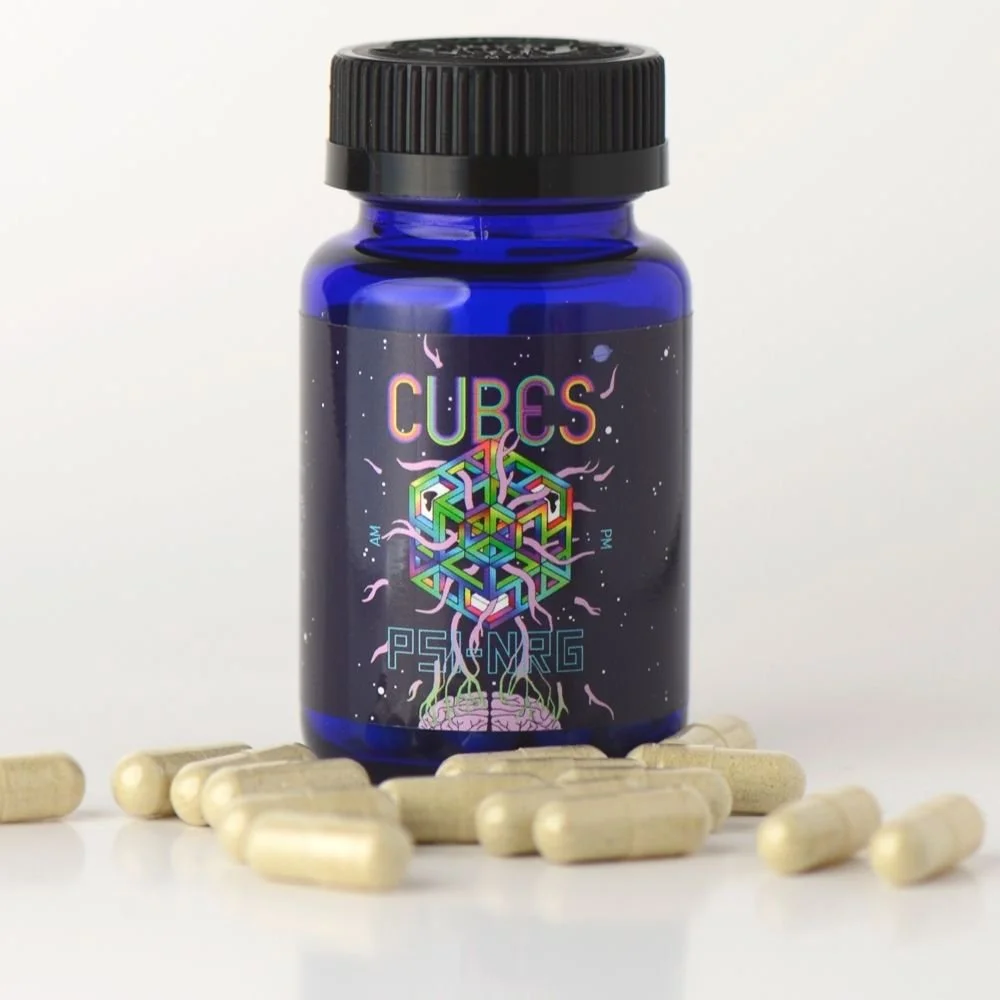
Microdose capsules are formulations containing relatively small quantities of a particular substance, often packaged in capsule form.
Within the psychedelic category, the term commonly refers to preparations containing psilocybin mushrooms or related compounds.
Psilocybin is a naturally occurring psychedelic compound found in certain mushroom species. Once metabolized, it produces psilocin, which interacts with serotonin receptors in the brain.
Researchers are investigating how these interactions may influence perception, cognition, emotions, and other neurological processes.
Microdosing differs from larger-dose psychedelic administration because it generally refers to quantities intended to produce minimal or less noticeable subjective effects.
However, individual sensitivity varies, and a product labeled as a microdose is not necessarily free from intoxicating or impairing effects.
Why Are Mushroom Microdose Capsules Receiving Attention?
The increasing public interest in microdosing is closely connected to the broader scientific discussion surrounding psychedelics.
Researchers have begun exploring psilocybin in controlled clinical settings, particularly in relation to certain psychiatric conditions.
Some individuals report subjective experiences involving emotional awareness, changes in mood, creativity, or concentration.
These personal accounts have contributed to growing curiosity about mushroom-based products.
However, anecdotal reports should not be confused with scientifically established clinical benefits.
Although some studies involving supervised psilocybin administration have produced encouraging findings, evidence supporting routine microdosing remains limited and mixed.
Larger, carefully controlled studies are necessary to determine whether reported effects consistently exceed placebo responses.
Understanding Different Mushroom Capsule Formulations
The term mushroom capsule can describe several substantially different products.
Some formulations contain non-psychoactive mushroom ingredients, while others may contain psilocybin or additional psychoactive compounds.
Understanding these distinctions is essential.
Functional Mushroom Capsules
Functional mushroom formulations may contain ingredients derived from species such as Lion’s Mane, Reishi, or Cordyceps.
These mushrooms are studied for their naturally occurring compounds and possible biological properties.
They should not automatically be categorized as psychedelic products.
Psilocybin Microdose Capsules
Psilocybin formulations contain compounds associated with psychedelic mushrooms.
Their potency, chemical composition, and legal status can vary substantially.
Accurate product identification and independent analysis are important because labeling alone cannot establish actual psilocybin content.
Combination Mushroom Formulations
Some capsules contain multiple mushroom ingredients or additional botanical substances.
These combinations require careful evaluation because individual ingredients may have different effects, safety profiles, and potential interactions.
A product containing several ingredients is not automatically more effective or safer than a single-ingredient preparation.
Potential Benefits: What Does Scientific Research Suggest?
Microdosing is frequently associated with discussions about mental clarity, mood, creativity, and emotional well-being.
However, the scientific evidence remains preliminary.
Mood and emotional well-being: Some observational research has identified associations between microdosing and self-reported improvements in mood. Nevertheless, expectancy effects, selection bias, and other factors complicate interpretation.
Creativity and concentration: Individuals sometimes describe feeling more creative or attentive. Controlled research has not consistently demonstrated reliable improvements in these areas.
Mental health research: Psilocybin is being investigated in clinical studies involving conditions such as depression. Importantly, research involving larger, professionally supervised psychedelic doses should not be interpreted as proof that unsupervised microdosing provides equivalent benefits.
Microdose capsules are not established treatments for depression, anxiety, attention disorders, or other medical conditions.
Why Product Transparency Matters
One of the most important considerations when evaluating mushroom-related products is the availability of reliable information.
Clear labeling should identify the relevant mushroom species, declared ingredients, formulation type, and applicable safety information.
Independent laboratory testing may help establish chemical composition and detect certain contaminants.
Important quality considerations include:
- Accurate ingredient identification.
- Clear disclosure of psychoactive compounds.
- Batch-specific laboratory documentation.
- Testing for potentially harmful contaminants.
- Appropriate packaging and storage information.
- Transparent manufacturer details.
A laboratory certificate does not automatically establish clinical safety or regulatory approval. Its relevance depends on the testing methods, scope, laboratory independence, and results.
Consumers should remain cautious about unverified claims promising guaranteed mental or physical improvements.
Safety Considerations and Potential Risks
Although microdosing generally refers to relatively small quantities, psilocybin remains a psychoactive substance with potential risks.
Possible adverse reactions may include anxiety, nausea, headaches, changes in perception, and impaired judgment.
Individuals with certain psychiatric vulnerabilities may face additional risks.
Interactions with prescription medications are another important consideration, particularly when substances influence serotonin signaling or other neurological pathways.
Pregnant individuals, adolescents, and people with relevant medical conditions should avoid unsupervised psychedelic exposure.
Psychoactive substances can also impair activities requiring concentration and coordination, including driving.
Anyone considering a change to prescribed mental health treatment should consult a qualified healthcare professional rather than replacing established care with unapproved products.
Are Psilocybin Microdose Capsules Legal?
The legal status of psilocybin differs significantly between countries and jurisdictions.
Some locations permit narrowly defined medical research, supervised access, or limited forms of regulated psychedelic activity.
Elsewhere, psilocybin remains a controlled substance, and unauthorized possession, distribution, or commercial sale may carry legal consequences.
Decriminalization, where applicable, does not necessarily mean that commercial sales or online distribution are permitted.
Before engaging with any mushroom-related product, individuals should understand the current laws governing the substance in their jurisdiction.
Exploring the Mushroom Magic Shop Microdose Capsules Category
Mushroom Magic Shop presents a dedicated category featuring various mushroom capsule formulations.
The category includes product listings with names such as Be Calm, Be Yourself, Euphoria Psychedelics Micro Calm, and other mushroom-related preparations.
These listings reflect the diversity of products marketed under the broader microdosing category. However, product names or descriptions should not be taken as independently verified evidence of safety, potency, effectiveness, or regulatory approval.
Readers can view the category for additional product information:
Responsible product evaluation requires careful consideration of ingredient transparency, independent scientific evidence, and applicable legal restrictions.
The Future of Psilocybin and Microdosing Research
Scientific interest in psychedelics continues to expand, creating opportunities for more rigorous investigations into their neurological and psychological effects.
Future studies may help clarify the differences between supervised psychedelic therapy, repeated low-dose exposure, placebo responses, and individual subjective experiences.
Improved research methodologies, transparent reporting, and appropriate regulatory oversight will be essential for establishing meaningful conclusions.
Until stronger evidence becomes available, claims about microdosing should be approached with scientific caution.
Final Thoughts
Microdose capsules occupy an increasingly visible position in discussions surrounding mushrooms, psychedelics, and emerging mental health research.
While public interest continues to grow, responsible understanding requires separating personal testimonials from established clinical evidence.
Product transparency, accurate labeling, independent testing, legal awareness, and medical safety should remain central considerations.
As research progresses, education and scientific accountability will play an important role in shaping a clearer understanding of psilocybin and mushroom microdosing.